Why Do Young Adults Have Hip Pain?
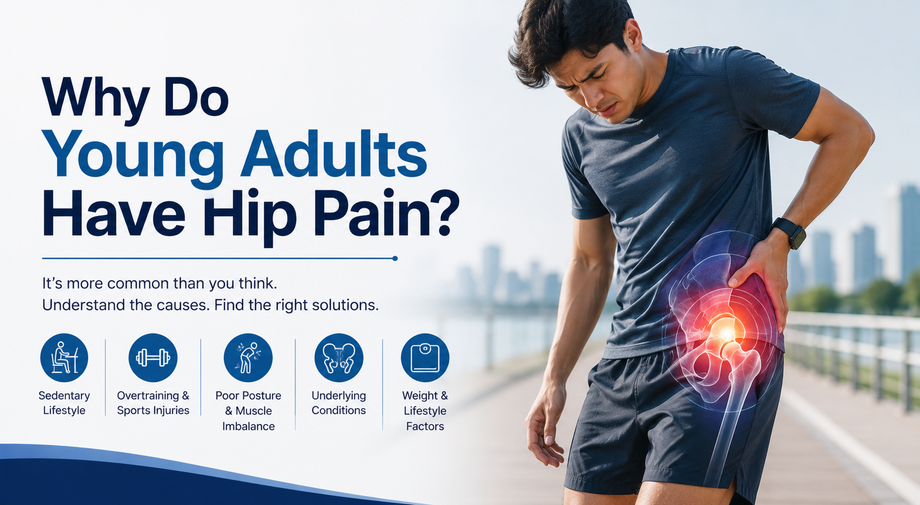
Hip pain is not limited to older adults. Hip pain in young adults in Jaipur can occur due to sports injuries, muscle or tendon problems, hip impingement, labral tears, arthritis, or structural abnormalities. While occasional discomfort may improve with rest, persistent or worsening pain should be evaluated to identify the underlying cause and prevent further joint damage.
What Causes Hip Pain in Young Adults?
Young adults can experience hip pain for several reasons. Some of the most common causes include:
- Sports injuries: Running, jumping, sudden twisting, and contact sports can strain muscles, tendons, and ligaments around the hip.
- Hip impingement: Abnormal contact between the bones of the hip can cause pain and restricted movement.
- Labral tears: The labrum is a ring of cartilage that helps stabilize the hip joint. Repetitive movements or injury can cause a tear.
- Hip dysplasia: An abnormally shaped or shallow hip socket can contribute to instability and pain.
- Tendon or muscle injuries: Overuse can cause inflammation or small tears in the muscles and tendons around the hip.
- Early arthritis: Although less common in young adults, previous injuries or certain medical conditions can contribute to early joint degeneration.
What Does Hip Pain Feel Like?
Hip pain can appear in different areas depending on its cause. Some people experience pain in the groin, while others may feel discomfort on the outside of the hip, buttocks, or upper thigh.
Symptoms may include:
- Pain while walking or running
- Discomfort after exercise
- Stiffness
- Reduced hip movement
- Clicking or catching sensations
- Pain while sitting for long periods
- Difficulty performing squats or other movements
Persistent symptoms should not be ignored, especially when they interfere with work, exercise, sleep, or daily activities.
Can Sports Cause Hip Pain in Young Adults?
Yes. Athletes and physically active individuals may be more likely to develop hip problems because of repetitive movements and high physical demands. Running, football, cricket, tennis, weightlifting, and other activities can place repeated stress on the hip.
Sudden increases in training intensity can also contribute to muscle strains and overuse injuries. Proper warm-up, strength training, mobility exercises, appropriate technique, and adequate recovery can help reduce injury risk.
When Should You See an Orthopedic Surgeon?
You should consider consulting an Orthopedic Surgeon in Jaipur if hip pain persists despite rest or begins affecting normal activities. Medical evaluation is particularly important when pain is accompanied by significant stiffness, weakness, clicking, catching, instability, or difficulty walking.
The doctor may perform a physical examination and assess hip movement, muscle strength, walking pattern, and the location of pain. Depending on the suspected condition, imaging such as X-rays or MRI may be recommended.
Early diagnosis can help identify problems such as hip impingement or labral tears before they potentially cause more extensive joint damage.
Is Hip Arthroscopy an Option for Young Adults?
In selected patients, yes. Hip arthroscopy surgery in Jaipur is a minimally invasive procedure that uses a small camera and specialized instruments to diagnose and treat certain problems inside the hip joint.
It may be considered for conditions such as:
- Certain labral tears
- Hip impingement
- Some cartilage injuries
- Selected cases of hip instability
However, hip arthroscopy is not suitable for every patient. The decision depends on the underlying diagnosis, severity of joint damage, age, activity level, and overall hip health.
Can Hip Pain Be Treated Without Surgery?
Many causes of hip pain can initially be managed without surgery. Depending on the diagnosis, treatment may include activity modification, physiotherapy, medications, strengthening exercises, or other conservative measures.
For some young adults, early treatment can help control symptoms and improve function without requiring an operation. Surgery is generally considered when appropriate non-surgical treatment has failed or when a structural problem requires correction.
Conclusion
Hip pain in young adults can have several causes, ranging from temporary muscle strains to structural problems such as hip impingement and labral tears. Persistent symptoms deserve proper evaluation rather than being dismissed as normal soreness. An experienced Orthopedic Surgeon in Jaipur can determine the cause and recommend appropriate treatment. For selected patients with conditions such as hip impingement or certain labral injuries, hip arthroscopy surgery in Jaipur may provide a joint-preserving treatment option when conservative measures are not sufficient.
Frequently Asked Questions
1. What is the most common cause of hip pain in young adults?
Common causes include sports injuries, muscle or tendon problems, hip impingement, labral tears, hip dysplasia, and, in some cases, early arthritis.
2. Can hip pain in young adults go away on its own?
Minor muscle strains or temporary overuse may improve with rest and activity modification. A medical professional should evaluate persistent, recurring, or worsening pain.
3. Can running cause hip pain?
Yes. Repetitive running can place stress on the hip muscles, tendons, and joint. Training errors, poor biomechanics, inadequate recovery, or an underlying hip condition can contribute to pain.
4. When is hip arthroscopy recommended?
Hip arthroscopy may be considered for selected conditions such as hip impingement and certain labral or cartilage injuries when symptoms persist despite appropriate conservative treatment.
5. Is hip arthroscopy better than hip replacement for young adults?
These procedures treat different problems. Hip arthroscopy aims to treat selected problems while preserving the natural joint, whereas hip replacement replaces damaged joint surfaces. The appropriate procedure depends on the patient's diagnosis and extent of joint damage.
6. Which doctor should I consult for persistent hip pain?
An Orthopedic Surgeon in Jaipur can evaluate persistent hip pain, identify its underlying cause, and recommend appropriate treatment based on the patient's condition.
Comments