Smart Home Automation: Features, Benefits, Applications and Selection Guide
Homes are becoming more responsive, efficient and comfortable, and smart home automation is leading that change. Lights, fans, security and appliances can now be managed from a phone or by voice. Behind the scenes, comfort systems such as pumps and ventilation also benefit from a Variable Frequency Drive, which adjusts motor speed to match demand and saves power. This article explains how these technologies work, where they fit and how to choose them wisely, with simple, practical tips for homeowners, builders and electrical professionals planning modern, connected, comfortable living spaces.

Why Homes Are Going Smart
Daily routines involve many small tasks: switching lights, adjusting temperature, locking doors and managing water. Automation reduces effort and waste. Typical advantages include:
- Comfort: Scenes set lighting and temperature with one touch.
- Savings: Schedules and sensors cut unnecessary consumption.
- Security: Alerts and remote monitoring improve peace of mind.
- Accessibility: Voice and app control help elders and people with limited mobility.
Understanding the Basics
What Is Smart Home Automation?
Smart home automation connects electrical devices through a central controller, wireless network or wired bus so they can be monitored and controlled together. Sensors detect motion, light, temperature and door status, while actuators carry out actions such as dimming a light or closing a curtain. Rules and schedules let the system behave automatically, for example turning off lights when a room is empty.
Typical building blocks:
- Smart switches, dimmers and sockets
- Motion, door and temperature sensors
- Central hub or gateway
- Mobile application and voice interface
- Smart locks, cameras and curtain controllers
What Is a Variable Frequency Drive?
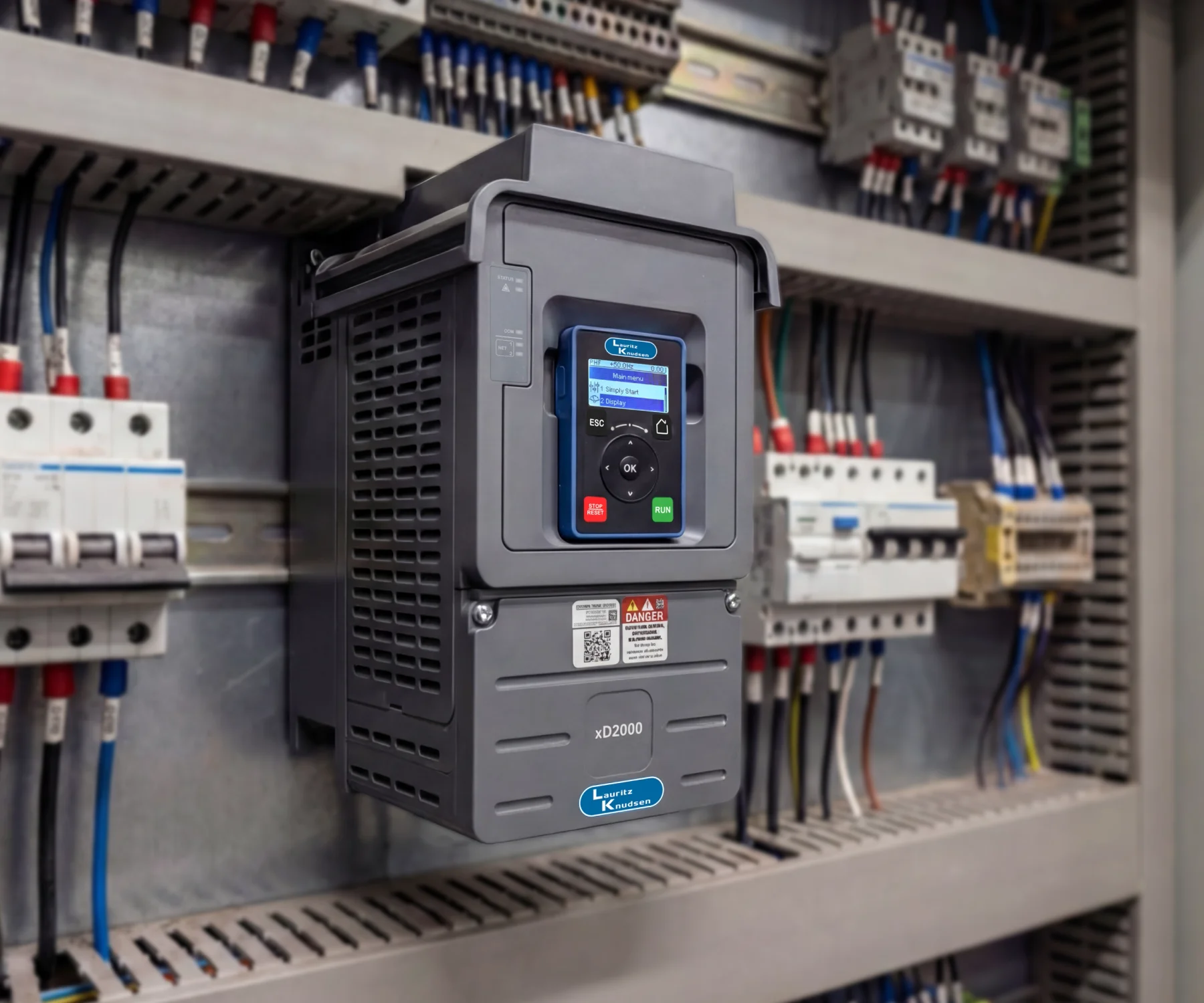
A Variable Frequency Drive changes the speed of an AC motor by adjusting the frequency and voltage it receives. In homes and buildings it is used with water pumps, booster sets, lifts and ventilation fans. Because power use drops sharply when speed is reduced, the drive lowers electricity bills, reduces noise and starts motors gently.
How a Connected Home Works
- Sensors collect information about the environment.
- The controller compares readings with rules and schedules.
- Commands are sent to switches, drives and other actuators.
- The user receives status updates on a phone.
- Settings can be adjusted anytime, from anywhere.
Popular Applications
Inside the Home
- Lighting scenes for morning, evening and movie time
- Air conditioner and fan scheduling
- Smart door locks and video doorbells
- Curtain and blind control
Utilities and Building Services
- Booster pump speed control
- Tank filling and water management
- Garden irrigation timers
- Ventilation in basements and parking areas
How to Choose the Right Solution
- Define priorities: Decide whether comfort, security or savings matters most.
- Wired or wireless: Wired systems suit new construction; wireless suits renovation.
- Compatibility: Ensure devices work together under one app.
- Expandability: Choose a platform that lets you add rooms later.
- Drive ratings: Match motor power, supply type and protection level.
- Cyber safety: Prefer products with encrypted communication and regular updates.
- Installation support: Use trained professionals for wiring and configuration.
Planning and Installation Tips
- Plan switch positions and neutral wires during construction
- Provide strong Wi-Fi coverage throughout the home
- Keep a manual override for essential lights
- Install surge protection to safeguard electronics
- Place drives in ventilated enclosures
- Document all settings for future service
Emerging Trends
Homes are moving towards unified platforms where lighting, climate, energy and security work together. Artificial intelligence is beginning to learn household patterns and adjust automatically. Energy monitoring, solar integration and electric vehicle charging are also becoming part of the smart home, helping families manage consumption more consciously.
Conclusion
Connected living is no longer a luxury, and when automation, efficient motor control and thoughtful planning come together, homeowners enjoy greater comfort, lower energy bills and better everyday security. Lauritz Knudsen Electrical & Automation, one of India’s largest and most trusted electrical brands, brings over 70 years of legacy and a 2.1 million sq. ft. manufacturing footprint to this mission. Serving residential, agricultural, commercial, infrastructural and industrial markets, the brand continues to power India and set new standards in the electrical industry, illuminating the path to a more electrified future.
Comments