The Beauty and Spiritual Significance of Shiva Statues: A Complete Guide to Lord Shiva Idols
In Hindu culture, Lord Shiva represents the ultimate balance between creation and destruction, simplicity and power, meditation and transformation. Revered as Mahadev, Bholenath, Shankar, and Adiyogi, he is one of the most worshipped deities in India. His divine personality inspires people to embrace inner peace, overcome challenges, and develop a deeper understanding of life.
Shiva statues beautifully capture these spiritual qualities through traditional Indian sculpture and artistic craftsmanship. Whether it is a peaceful meditating Shiva, a magnificent Nataraja, or a symbolic Shivling, every representation reflects a different aspect of Mahadev's divine nature.
Today, Lord Shiva idols are not only important elements of religious worship but are also appreciated for their cultural significance and artistic beauty. Many families choose Shiva statues for their home mandirs, meditation spaces, and devotional collections.
If you are planning to bring a Mahadev idol into your home, understanding its spiritual meaning, different forms, and traditional symbolism can help you make a meaningful choice.
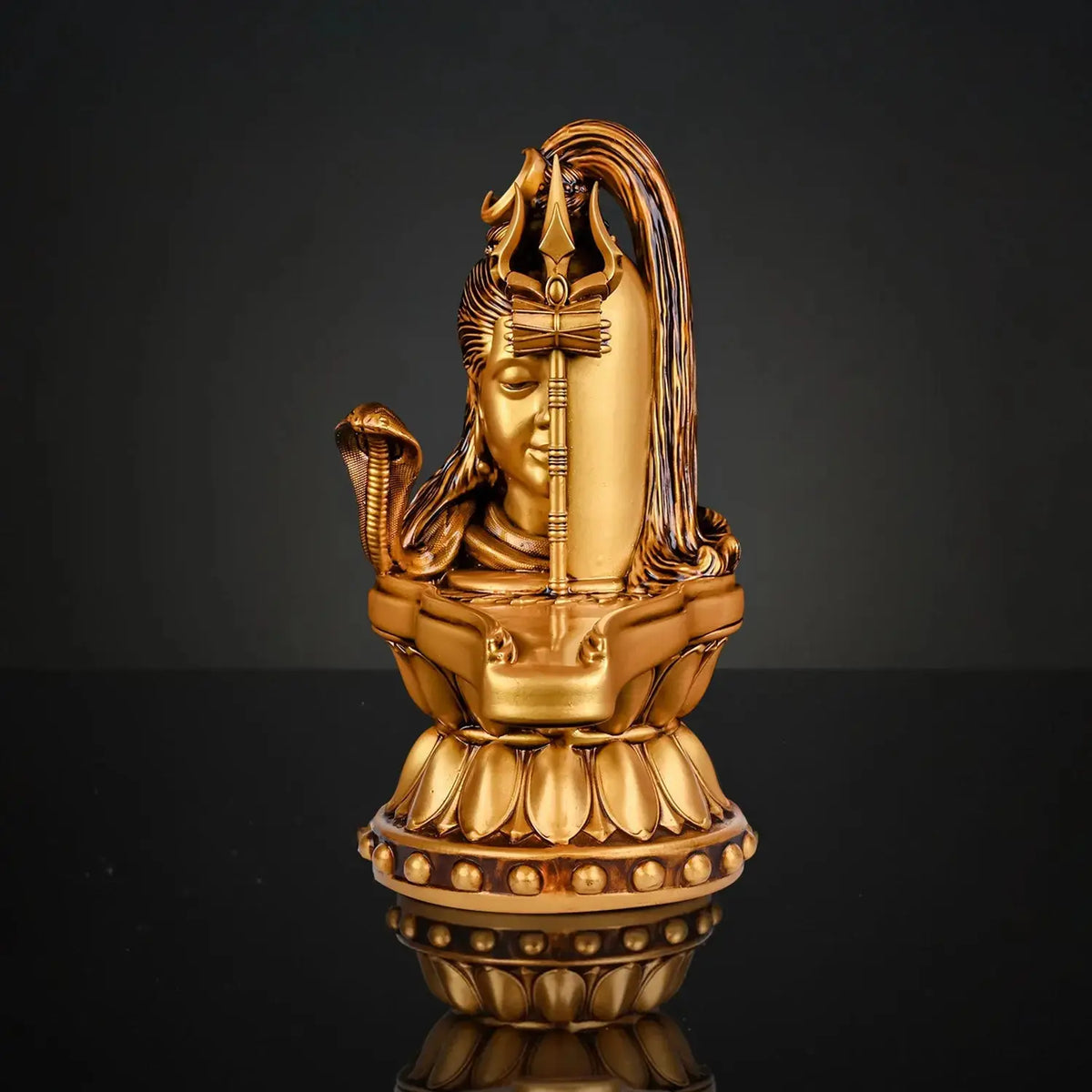
1. Why Is Lord Shiva So Important in Hinduism?
Lord Shiva holds a significant position in Hinduism as one of the three principal deities of the Trimurti, alongside Lord Brahma and Lord Vishnu. Brahma is associated with creation, Vishnu with preservation, and Shiva with transformation and dissolution.
Shiva's role represents much more than destruction. It symbolises the removal of ignorance, negative influences, and outdated attachments, making room for renewal and new beginnings.
He is also known as Adiyogi, the first yogi, and is associated with meditation, self-discipline, and spiritual knowledge. His peaceful meditative appearance teaches the importance of controlling the mind and maintaining balance in everyday life.
Another beloved name of Shiva is Bholenath, which reflects his compassionate and innocent nature. Devotees believe that sincere prayers and devotion are more important than material offerings.
This combination of simplicity, compassion, and divine strength makes Lord Shiva an inspiring figure. A Shiva statue represents these qualities and serves as a meaningful reminder of faith and spiritual awareness.
2. The Hidden Meanings Behind Shiva Statue Symbols
One of the most fascinating aspects of Shiva statues is the symbolism associated with their appearance. Every element has a traditional meaning that adds depth to the sculpture.
The Third Eye
Lord Shiva's third eye represents higher consciousness, wisdom, and spiritual awareness. It symbolises the ability to see beyond ordinary appearances and overcome ignorance.
The Trishul
The Trishul, or trident, is among the most recognisable symbols of Mahadev. Its three prongs are commonly associated with the three gunas: Sattva, Rajas, and Tamas. It represents divine strength and the power to overcome limitations.
The Damru
The Damru is a small two-headed drum associated with the cosmic rhythm of the universe. It represents creation, sound, and the continuous movement of existence.
The Crescent Moon
The crescent moon on Shiva's head represents time, changing cycles, and the ability to remain beyond the influence of worldly changes.
The Snake Around His Neck
The serpent symbolises fearlessness, control over desires, and mastery over worldly attachments. It reflects Shiva's ability to remain calm even in challenging circumstances.
The River Ganga
The sacred River Ganga flowing from Shiva's hair represents purity, divine grace, and spiritual cleansing.
The Tiger Skin
Shiva's tiger-skin clothing represents mastery over animal instincts and worldly desires. It reflects self-control and freedom from unnecessary attachments.
These symbolic elements make every traditional Lord Shiva idol meaningful, combining religious beliefs with the beauty of Indian craftsmanship.
3. Popular Forms of Shiva Statues You Should Know About
Lord Shiva is worshipped in different forms, each representing a unique aspect of his personality. These forms also offer devotees a wide variety of artistic designs.
Nataraja: The Cosmic Dancer
Nataraja is one of the most beautiful and recognisable forms of Lord Shiva. The name means King of Dance, and the sculpture depicts Mahadev performing the divine Tandava.
His dance represents the continuous cycle of creation, preservation, and destruction. Traditional Nataraja statues feature Shiva dancing within a circular ring of flames, symbolising the universe and its eternal movement.
These sculptures are admired for their intricate detailing, balanced composition, and artistic elegance. They are especially popular among people who appreciate traditional Indian art.
Meditating Shiva: The Symbol of Inner Peace
The meditating form of Lord Shiva represents concentration, discipline, wisdom, and spiritual awakening.
Usually depicted sitting in a peaceful yogic posture, this form of Mahadev is associated with Adiyogi. It reminds devotees of the importance of mindfulness and controlling one's thoughts.
A meditating Shiva statue is a meaningful choice for a home mandir, yoga room, or meditation corner.
Shivling: The Sacred Representation of Shiva
The Shivling is one of the most sacred representations of Lord Shiva in Hindu worship. It symbolises the infinite and formless nature of the divine.
Traditionally worshipped in temples and homes, the Shivling is associated with cosmic energy and the unity of Shiva and Shakti.
Devotees offer prayers and traditional offerings to the Shivling, particularly on Mondays and during Maha Shivratri.
Trishul and Damru: Symbols of Divine Power
The combination of Trishul and Damru represents two important aspects of Lord Shiva.
The Trishul symbolises divine strength, while the Damru represents the cosmic rhythm of creation. Together, they form a distinctive representation of Mahadev's spiritual power.
A Shiva Trishul with Damru idol is an attractive option for devotees who appreciate traditional religious symbols.
4. Why Are Shiva Statues Meaningful Additions to Indian Homes?
A Lord Shiva statue can become a special part of your home by creating a dedicated space for prayer, reflection, and spiritual connection.
Here are some reasons why people choose Shiva idols for their homes.
A Reminder of Inner Peace: The calm expression of a meditating Shiva statue encourages mindfulness and reminds us to approach everyday situations with patience.
A Symbol of Strength: Lord Shiva represents the ability to face challenges, overcome negativity, and embrace transformation.
Connection with Tradition: Keeping a Shiva idol is a way for many families to preserve religious traditions and pass spiritual values to future generations.
Beautiful Traditional Décor: Shiva sculptures reflect Indian cultural heritage and can add a distinctive artistic touch to traditional and contemporary interiors.
A Dedicated Worship Space: A Shiva statue can become the focal point of a home mandir, creating a special place for daily prayers and devotional activities.
The meaning of keeping a Shiva idol is ultimately personal and depends on individual beliefs, customs, and devotion.
5. How to Choose the Right Shiva Statue for Your Home?
With different designs and artistic styles available, selecting a Shiva statue can be an enjoyable experience. However, it is important to consider a few practical factors.
Understand the Purpose: First, decide whether you want the idol for daily worship, meditation, gifting, or decorative display.
Select the Right Design: Choose a form that appeals to you, such as Nataraja, meditating Shiva, Shivling, or Trishul with Damru.
Consider the Size: Smaller Shiva idols are suitable for compact mandirs and shelves, while larger sculptures can become focal points in spacious rooms.
Check the Material: Shiva statues are available in different materials, including brass, metal, stone, resin, silver, and silver-plated finishes. Consider durability, appearance, and maintenance requirements.
Pay Attention to Details: Examine the facial expression, posture, ornaments, finishing, and traditional symbols.
Consider Your Available Space: Make sure the statue fits comfortably into your chosen location and can be displayed securely.
Choosing carefully ensures that your Shiva idol reflects your preferences and remains a meaningful part of your surroundings.
6. Where Can You Place a Shiva Statue?
The location of a Shiva statue depends on its form, intended use, and your family's religious practices.
Home Mandir: A dedicated prayer room or mandir is a traditional place for keeping a Shiva idol. Keep the surroundings clean and organised.
Living Room: Decorative Shiva sculptures can be displayed on a suitable shelf or display unit, adding traditional character to your interior.
Meditation Corner: A peaceful meditating Shiva statue can complement a space dedicated to yoga, meditation, and mindfulness.
Office or Study: A small Shiva idol can serve as a reminder of discipline, concentration, and patience.
If you follow Vastu Shastra or particular religious traditions, consult a knowledgeable practitioner about the placement of the specific form you choose. Different customs may have different guidelines.
7. Shiva Statues as Memorable Gifts for Special Occasions
A Shiva statue is a thoughtful gift that carries spiritual and cultural significance. It can be presented during housewarming ceremonies, weddings, anniversaries, birthdays, and religious celebrations.
A meditating Shiva idol is particularly meaningful for someone interested in meditation and yoga. A Shivling can be a suitable choice for a devotee who follows traditional Shiva worship, while a Trishul with Damru design makes a distinctive devotional gift.
For special occasions, an elegant silver or silver-finish Shiva idol can also make a memorable present.
Before purchasing, consider the recipient's preferences, the available display space, and the type of Shiva representation they appreciate.
8. Discover Exquisite Shiva Statues at Artarium
Finding a Shiva statue that combines traditional symbolism with attractive craftsmanship can make your devotional space even more special.
At Artarium, you can explore a collection of Lord Shiva idols featuring different artistic representations of Mahadev.
Some distinctive designs available in the collection include:
Shiv-Lingam Idol: A traditional representation of Lord Shiva, suitable for devotional spaces.
Mystical Shiva: An artistic sculpture capturing the divine dance associated with creation and transformation.
Lord Shiva Trishul with Damru: A distinctive design featuring two of Mahadev's most recognised symbols.
Shiv Damru Idol: A meaningful representation of the cosmic rhythm associated with Shiva.
Shiv Trishul Idol: An artistic design inspired by the iconic trident of Lord Shiva.
Mystical Shiva Black with Golden Ornaments: A striking artistic interpretation featuring contrasting colours and decorative detailing.
Whether you are looking for a Shiva idol for your home mandir, an elegant devotional sculpture, or a meaningful gift for someone special, Artarium offers different designs worth exploring.
9. Simple Tips to Maintain Your Shiva Statue
A well-maintained Shiva idol can remain a cherished part of your home for years. Proper cleaning also helps preserve its original appearance and detailing.
Follow these simple care tips:
Use a soft, dry microfiber cloth to remove dust.
Avoid harsh chemicals and abrasive cleaning materials.
Follow the manufacturer's instructions for cleaning specific materials and finishes.
Keep the statue on a stable surface.
Avoid placing it where it could be accidentally knocked over.
Check whether the material is suitable for water offerings before using water during worship.
Give silver and silver-finish idols appropriate care to maintain their appearance.
Regular, gentle maintenance will help protect the beauty of your statue.
Conclusion
Shiva statues represent much more than religious sculptures. They reflect the spiritual wisdom, strength, simplicity, and transformative power associated with Lord Mahadev.
From the cosmic dance of Nataraja to the peaceful meditation of Adiyogi and the sacred symbolism of the Shivling, every form offers a unique expression of Shiva's divine personality.
Choosing a Shiva statue for your home can be a meaningful way to celebrate Indian culture, maintain spiritual traditions, and create a dedicated space for devotion.
Explore the beautiful collection of Lord Shiva idols at Artarium and find a design that reflects your faith, personal taste, and appreciation for traditional Indian artistry.
Comments