Madagascar Travel Visa for Cote d'Ivoire Citizens
Madagascar is a popular island destination known for its unique wildlife, beautiful beaches, and rich biodiversity, making it an attractive tourist spot for international travelers. Côte d'Ivoire citizens planning a holiday can explore this destination using a Madagascar eVisa, which allows short-term stays for tourism purposes such as sightseeing, nature exploration, and cultural experiences. The process is designed to make travel easier while ensuring visitors comply with entry requirements for Madagascar.
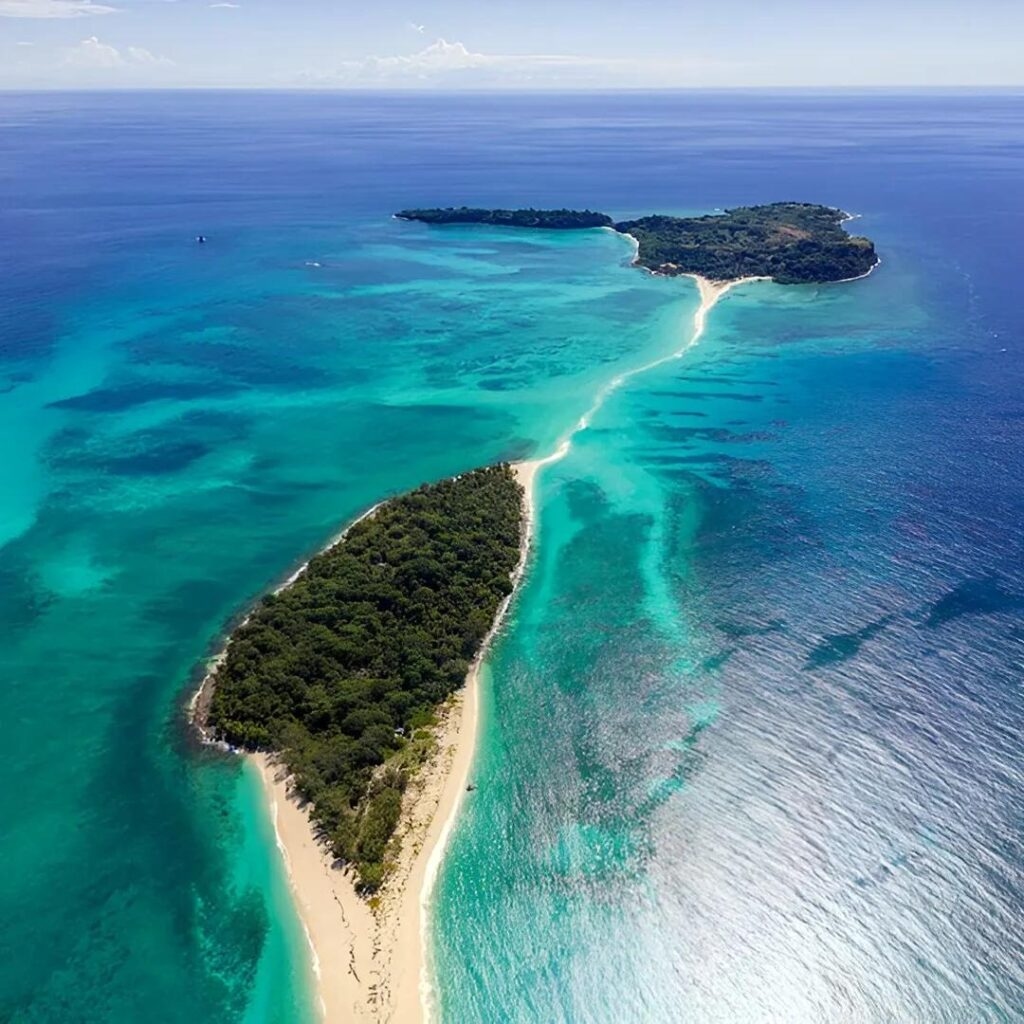
The Madagascar eVisa for Côte d'Ivoire citizens is typically issued for tourism-related visits, allowing travelers to enjoy activities like visiting national parks, exploring local villages, and experiencing coastal attractions. Applicants must ensure their travel details are correctly submitted before approval, as the eVisa is linked to specific entry conditions and validity dates. This system helps manage smooth entry for visitors coming to Madagascar while supporting organized and secure international tourism.
What Types of Madagascar eVisa Are Available?
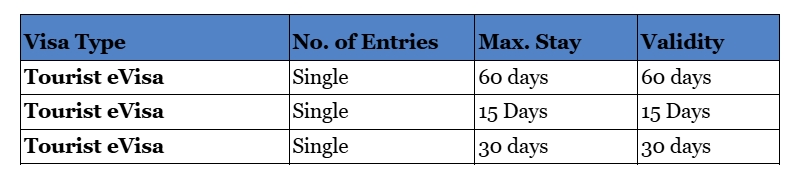
Madagascar offers several tourist visa options to accommodate different travel durations. These options allow you to plan your stay based on your itinerary.
What Are the Required Documents for the Application?
To ensure your application is processed without delays, you must prepare the necessary documentation in advance. The primary requirement is:
- Original Passport: Your passport must be valid for at least 6 months beyond your date of departure from Madagascar.
What Is the Processing Time for a Madagascar eVisa?
The processing time for a Madagascar eVisa depends on the option you select based on your travel urgency; Standard processing usually takes 4–6 working days, Rush processing takes around 2–4 working days, and Super Rush processing can be completed in 1–3 working days, allowing travelers to choose a suitable option before visiting Madagascar.
How to Apply for a Madagascar eVisa?
Applying for a Madagascar eVisa is a simple online process that allows travelers to submit their details and receive travel authorization before visiting the country.
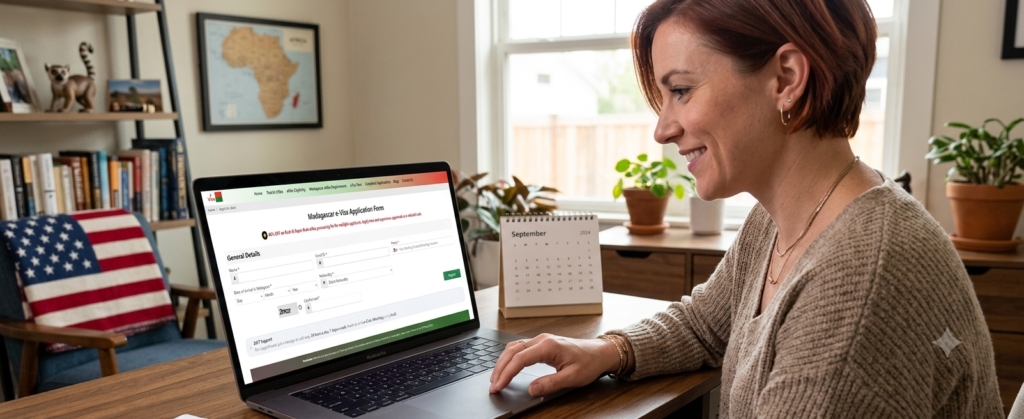
- Fill Out Online Application – Enter personal, passport, and travel information accurately.
- Choose Visa Type – Select the appropriate tourist eVisa based on your travel purpose.
- Upload Required Documents – Provide a valid passport copy.
- Pay the Processing Fee – Complete the payment securely through the available options.
- Wait for Approval – Processing is done within a few working days depending on the selected speed.
- Receive eVisa Confirmation – Approved eVisa is sent electronically for travel use.
Is a Madagascar eVisa Available for My Country?
A Madagascar eVisa is available for many nationalities, allowing eligible travelers to apply online for short-term tourism visits depending on their country of citizenship.
- Eligibility Varies by Nationality – Not all countries have the same entry rules for eVisa access.
- Madagascar eVisa requirements for Croatia Citizens
- Travelling to Madagascar visa information from Curacao
- Madagascar Visa application guide for Cyprus Citizens
- Madagascar online Visa apply for Czech Republic Citizens
- Madagascar eVisa eligibility for Denmark Citizens
- Most Travelers Are Eligible – Many international visitors can apply for a tourist eVisa online.
- Country-Specific Requirements – Some nationalities may have additional conditions or restrictions.
- Check Before Applying – Always confirm eligibility based on your passport country before submission.
- Tourism Purpose Allowed – eVisa is mainly for sightseeing, holidays, and short visits.
Which Are the Main International Airports in Madagascar?
Madagascar has a few key international entry points, with most travelers arriving through its main airports that connect the country to major global destinations.
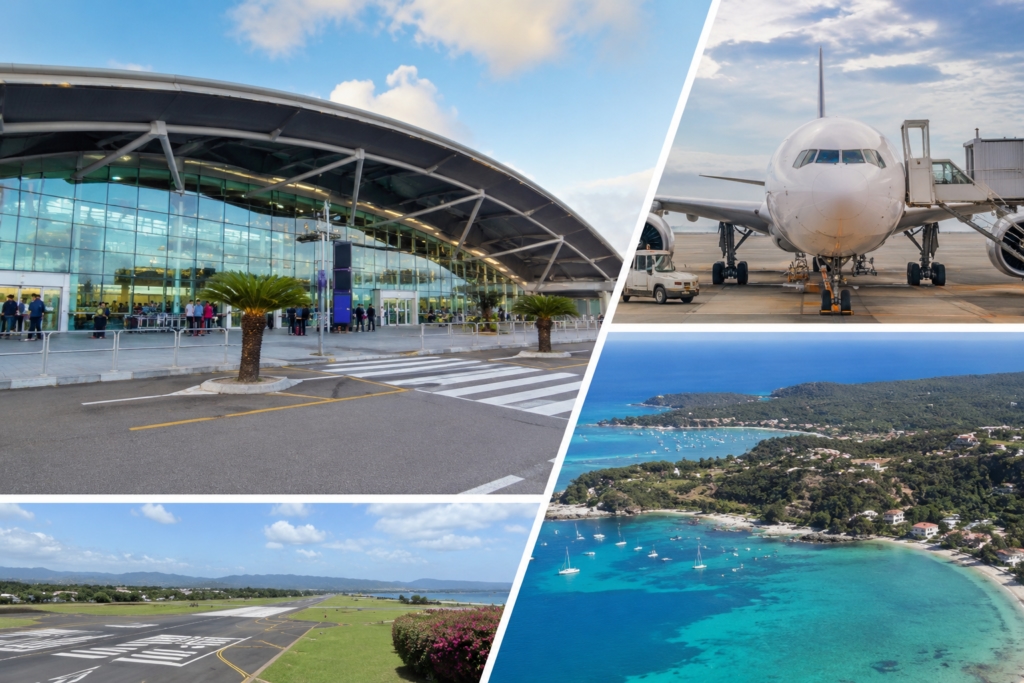
- Ivato International Airport (TNR) – The primary international gateway near Antananarivo, the capital city.
- Nosy Be Fascene Airport – Popular entry point for tourists visiting beach and island destinations.
- Regional International Access – Some airports handle limited international or regional flights depending on routes.
- Main Tourist Entry Hub – Ivato serves the majority of international arrivals.
- Convenient Connectivity – These airports connect Madagascar with several African and global destinations.
Is the Madagascar eVisa Accepted at Land Border Crossings?
The Madagascar eVisa is generally designed to facilitate entry for international travelers through major airports and seaports, where immigration systems are fully equipped to process electronic travel authorizations. However, its acceptance at land border crossings is limited and not consistently guaranteed, as many land checkpoints may not support eVisa verification or may follow different entry regulations. Travelers planning to enter Madagascar via a land border should carefully confirm the specific crossing rules in advance with official immigration authorities to ensure their eVisa is valid for that entry point. In most cases, using an approved international airport remains the safest and most reliable option for eVisa holders to enter the country without complications.
Can I Use Google Pay in Madagascar?
Google Pay is not widely supported in Madagascar, as the country still relies heavily on cash-based transactions and has limited integration with international digital payment platforms. While some urban hotels or modern businesses may accept card payments or alternative mobile payment options, Google Pay cannot be depended on for everyday use. Travelers should plan to use cash for most purchases, especially in local markets, small shops, and rural areas. It is advisable to carry enough physical currency to cover daily expenses to ensure smooth and hassle-free payments during your stay.
Where Can Tourists Exchange Currency in Madagascar?
Tourists in Madagascar can exchange currency safely at airports, banks, and authorized exchange bureaus, ensuring access to local money in a secure and convenient way.
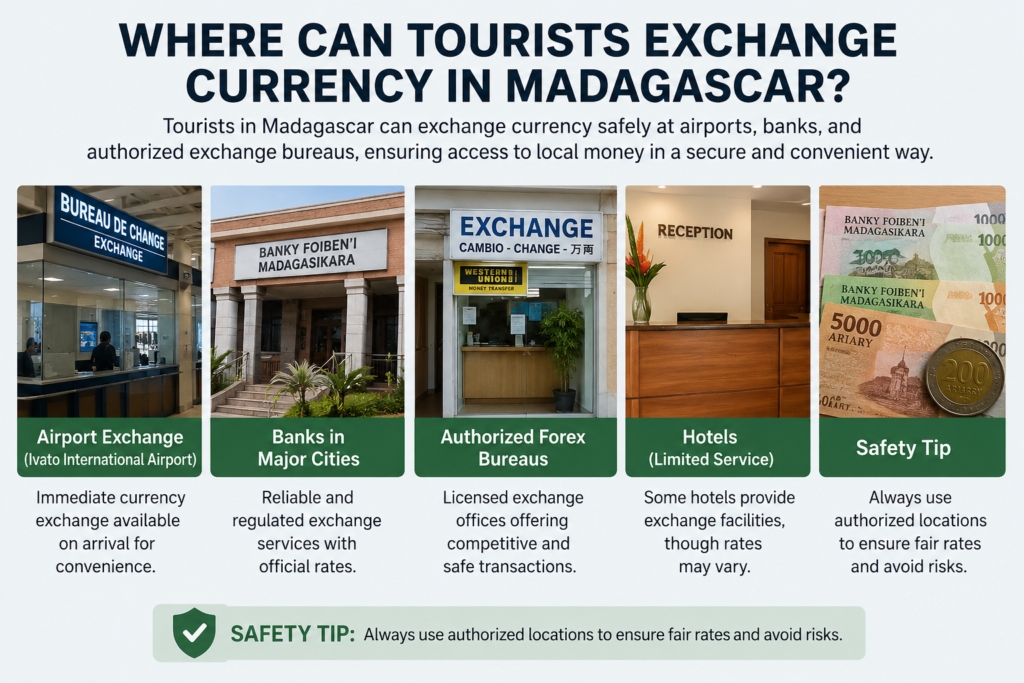
• Airport Exchange (Ivato International Airport): Immediate currency exchange available on arrival for convenience.
• Banks in Major Cities: Reliable and regulated exchange services with official rates.
• Authorized Forex Bureaus: Licensed exchange offices offering competitive and safe transactions.
• Hotels (Limited Service): Some hotels provide exchange facilities, though rates may vary.
• Safety Tip: Always use authorized locations to ensure fair rates and avoid risks.
Is Apple Pay Accepted in Madagascar?
Apple Pay is not widely accepted in Madagascar, as most businesses across the country rely on cash payments in Malagasy Ariary (MGA). Only a few high-end hotels, international restaurants, or select establishments in major cities may support contactless payments, but this is not common. Travelers are therefore advised to carry sufficient cash for everyday expenses, since card and mobile payment systems like Apple Pay are not a reliable option throughout most of Madagascar.
Can a Madagascar Visa Be Converted on Arrival?
A Madagascar visa obtained on arrival or through the eVisa system cannot usually be converted into a work or residency visa while you are in the country. These visas are strictly issued for short-term tourist stays based on the approved duration, and any change in purpose such as employment or long-term residence requires a separate application process through the official immigration authorities before or after leaving Madagascar. Travelers should ensure they apply for the correct visa type in advance to match their intended activities.
Can a Minor Travel on a Madagascar Transit Visa?
A minor can travel on a Madagascar transit visa, but only if all required parental and legal consent documents are properly provided to ensure safe and authorized travel.
• Parental Consent Letter: A notarized letter from a non-travelling parent(s) may be required.
• Birth Certificate: A copy of the minor’s birth certificate should be carried for identity verification.
• Accompanying Adult Rules: Additional authorization may be needed if the child is traveling alone or with one parent.
• Airline/Transit Checks: Airlines and immigration authorities may strictly verify all documents before allowing transit.
• Travel Advisory Tip: Always confirm updated requirements before travel to avoid delays or issues.
Conclusion:
Preparing for your journey from Cote d'Ivoire to Madagascar requires attention to detail regarding your entry permits, travel documents, and financial planning. By securing your eVisa ahead of time, understanding that cash remains the most reliable method of payment, and keeping your documentation organized, you can focus on enjoying the unique landscapes and hospitality that Madagascar offers. Ensure you review all requirements close to your departure date to stay updated on any policy shifts, and have a safe and memorable trip to this magnificent island.
Comments