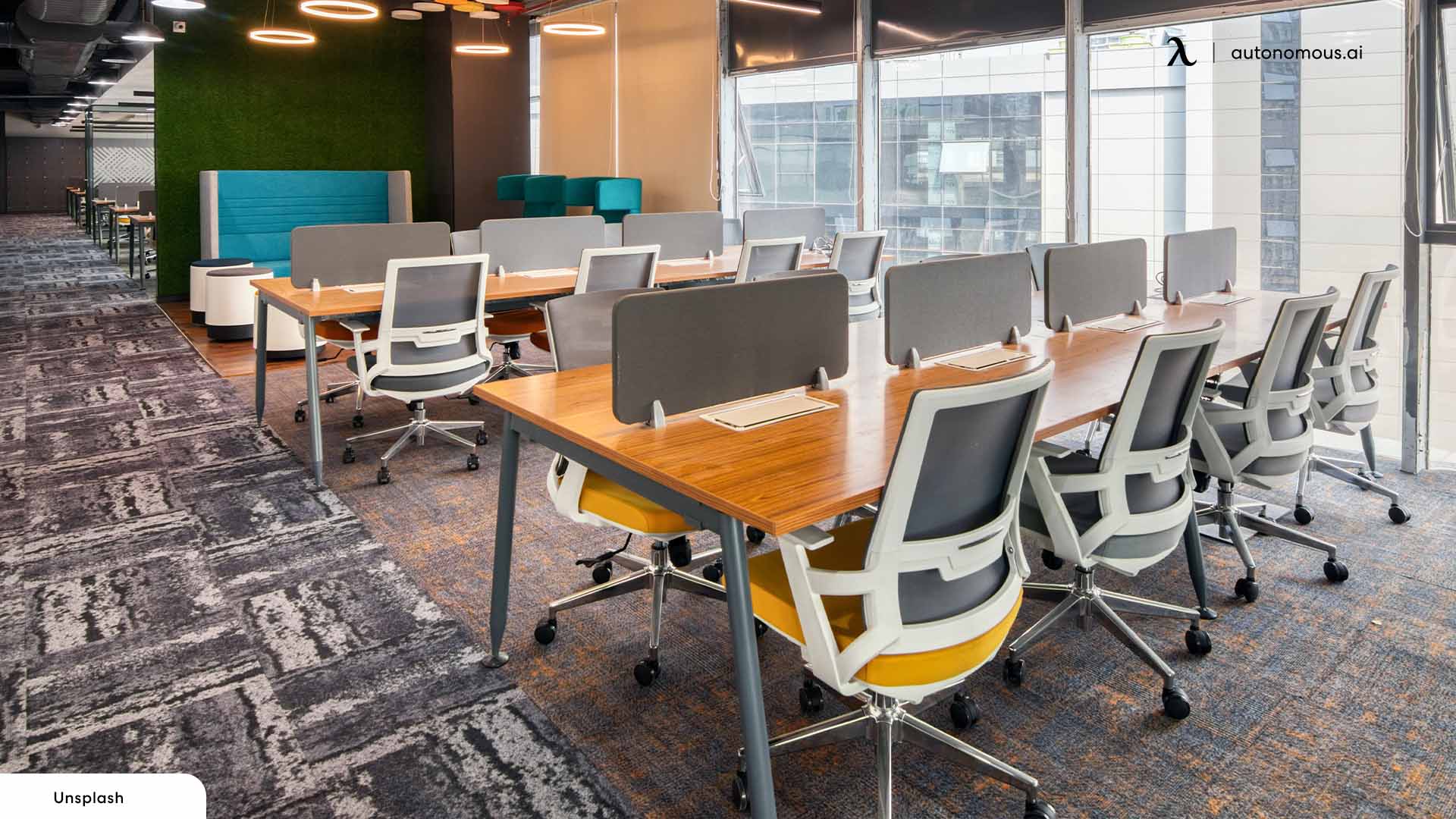
Designing a productive and inspiring office environment is a vital step for small businesses that want to maximize both efficiency and employee satisfaction. With limited space and resources, the challenge often lies in creating a layout that balances functionality with comfort. A well-thought-out office workstation arrangement does more than simply house desks and chairs. It sets the tone for collaboration, creativity, and long-term growth.
Small businesses in particular can benefit from creative layouts that make the most of every square foot. By considering the needs of staff, the nature of the work, and the overall company culture, an office can become more than just a place to complete tasks. It can transform into a hub of innovation and motivation. The right setup creates a welcoming atmosphere, boosts productivity, and reflects the values of the organization.
The Importance of Office Design for Small Businesses
The design of an office is more than an aesthetic choice; it has direct implications for performance and morale. Studies consistently show that employees who work in a thoughtfully designed space report higher satisfaction and lower stress levels. For small businesses, where every team member’s contribution matters, these factors can make a significant difference.
A cramped or poorly arranged workspace can lead to frustration, distractions, and even health issues. On the other hand, an environment that accommodates diverse working styles—whether collaborative or independent—encourages focus and energy. This balance is essential, especially when staff often wear multiple hats in a growing business. A strategic approach to layout can help maximize resources and position the company for long-term success.
Open-Plan Workstations
One of the most common approaches for small businesses is the open-plan office. This layout removes barriers and walls, encouraging employees to interact freely. With desks arranged in clusters or rows, communication becomes more natural, fostering teamwork and creative exchange. For startups and young companies that thrive on collaboration, this arrangement can be highly effective.
However, open-plan spaces are not without their challenges. Noise levels and interruptions can affect concentration, particularly for tasks that require deep focus. To address this, small businesses can add designated quiet zones or provide noise-canceling solutions. When managed thoughtfully, the open-plan workstation not only saves space but also enhances a sense of community.
Modular and Flexible Layouts
Flexibility is a cornerstone of modern workplace design, and modular layouts are especially suited to small offices. These spaces use movable desks, partitions, and storage units that can be rearranged as needs evolve. This approach is practical for businesses that expect to grow, as the configuration can be easily updated to accommodate new team members.
Modular office designs also allow for a balance between collaboration and privacy. With partitions that can be shifted or removed, employees have the option to work together or individually depending on the project. This adaptability ensures that the office remains functional regardless of changing demands. For small businesses, the ability to adjust without costly renovations is a major advantage.
Dedicated Collaboration Zones
While flexibility is valuable, dedicated areas for group work are equally important. Collaboration zones can be designed as breakout areas with comfortable seating, whiteboards, and digital displays. These spaces encourage brainstorming sessions, quick team meetings, and problem-solving discussions away from the main workstation area.
For small businesses, collaboration zones offer a clear benefit by improving communication flow and reducing the need for formal meeting rooms. They also help employees feel that creativity is encouraged and supported. By carving out specific zones for interaction, companies foster a culture where ideas are freely shared and developed.
Private and Semi-Private Spaces
Although collaboration is important, individuals sometimes need quiet areas to focus without distractions. Semi-private workstations with dividers or small booths provide employees with a retreat where they can concentrate on demanding tasks. Even within a small office, it is possible to integrate these spaces without consuming too much room.
These areas not only improve productivity but also support employee well-being. Constant exposure to open areas can be overwhelming, leading to fatigue or burnout. A thoughtful layout balances openness with privacy, recognizing that both are crucial to an effective workplace. Small businesses that provide these options demonstrate care for diverse working styles.
Incorporating Natural Light and Greenery
The physical environment of an office significantly impacts mood and energy. Natural light, in particular, plays a crucial role in boosting focus and reducing stress. Small businesses can optimize natural light by positioning desks near windows, using glass partitions, and avoiding heavy blinds or barriers.
In addition to light, adding greenery through plants and small indoor gardens creates a more inviting atmosphere. Studies show that biophilic design elements enhance creativity and well-being, which translates directly into improved performance. Even in compact offices, simple additions like potted plants or vertical gardens can transform the feel of a workstation.
Technology-Friendly Layouts
Modern work relies heavily on technology, making it essential for layouts to integrate digital tools seamlessly. Cabling, charging stations, and shared screens should be incorporated in a way that is both functional and aesthetically pleasing. Poorly managed technology setups can create clutter, which reduces efficiency and undermines the look of the office.
For small businesses, a technology-friendly layout ensures that employees can transition smoothly between tasks. Shared resources such as printers, projectors, or docking stations should be easily accessible without disrupting workflow. A clean and organized approach helps the office feel modern and professional, even on a limited budget.
Creative Use of Vertical Space
When floor space is limited, vertical space becomes a valuable asset. Wall-mounted shelves, storage units, and even fold-down desks can free up room while keeping the office organized. Small businesses can maximize storage without crowding work areas, creating an uncluttered and productive environment.
Vertical design also allows for creative branding. Murals, motivational messages, or company values displayed on walls can inspire employees and reinforce identity. This strategy ensures that even a compact office feels spacious and dynamic, with every inch used purposefully.
The Role of Company Culture in Design
Every small business has a unique culture, and the office layout should reflect it. A creative agency might prefer colorful, open spaces that encourage energy and playfulness, while a consulting firm may lean toward structured layouts that emphasize focus and professionalism. Aligning design choices with company culture strengthens brand identity and employee engagement.
When employees feel that their environment represents the values of the business, they are more likely to feel connected and motivated. This connection is especially valuable for small teams where unity and shared vision drive success. Designing with culture in mind ensures that the office is not only functional but also meaningful.
Balancing Budget and Creativity
Small businesses often operate within tight financial constraints, making cost an important consideration. Fortunately, a creative layout does not require excessive spending. Repurposed furniture, do-it-yourself partitions, and second-hand items can all contribute to an appealing design. What matters most is thoughtful planning and attention to detail.
Investing in key elements—such as ergonomic chairs, proper lighting, and efficient storage—yields long-term benefits in productivity and employee health. By prioritizing functionality and creativity over extravagance, small businesses can achieve a professional look that supports growth without straining resources.
Looking Ahead: Designing for Growth
The best workstation layouts are those that can evolve alongside the business. Planning with future expansion in mind allows for smoother transitions when new staff join or operations expand. Flexibility and scalability should guide decisions, ensuring that today’s design does not become tomorrow’s limitation.
For small businesses, anticipating growth builds confidence and resilience. By designing spaces that can adapt, companies set themselves up for continued innovation. The office becomes a living space that grows with the team, continually reflecting new goals and aspirations.
Conclusion
A small business does not need a vast office to create a productive and inspiring workplace. With thoughtful planning and creative layouts, every square foot can serve a purpose. Whether through open-plan designs, modular arrangements, or a balance of collaborative and private areas, the office can become a space where employees feel energized and valued.
By embracing natural light, integrating technology, and reflecting company culture, small businesses can design workstations that drive both performance and satisfaction. Ultimately, the right layout transforms the office into more than a physical space—it becomes a vital tool for success, innovation, and growth.
Comments