Finding the right partner for transforming a space requires experience, creativity, and strong project execution. When clients search for the best interior designer in lahore, they are looking for expertise that blends aesthetics with functionality. In the competitive interior design market, consistency, attention to detail, and technical knowledge make the real difference.
HomeInterior.pk has built its reputation by delivering practical design solutions for homes, offices, and commercial spaces. With years of experience in space planning, material selection, luxury styling, and project management, the team understands how to turn concepts into well executed environments.
From modern apartments to corporate interiors and custom furniture planning, professional design is about creating harmony between structure, light, color, and usability.
Residential Interior Design With Purpose
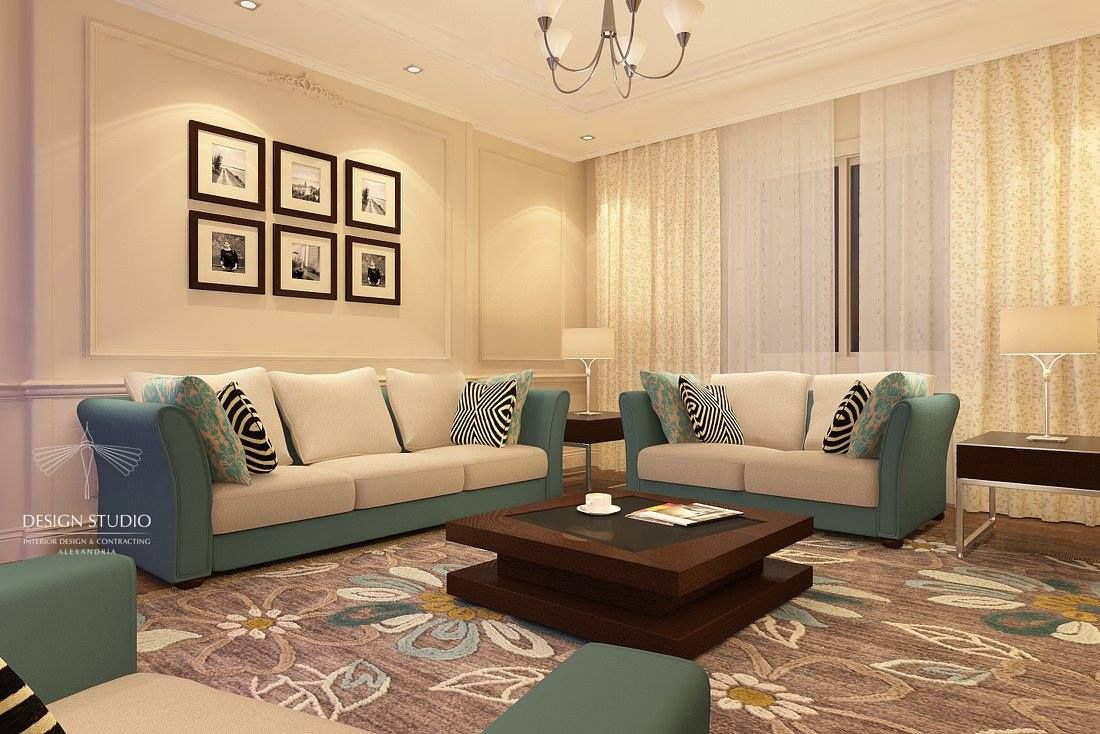
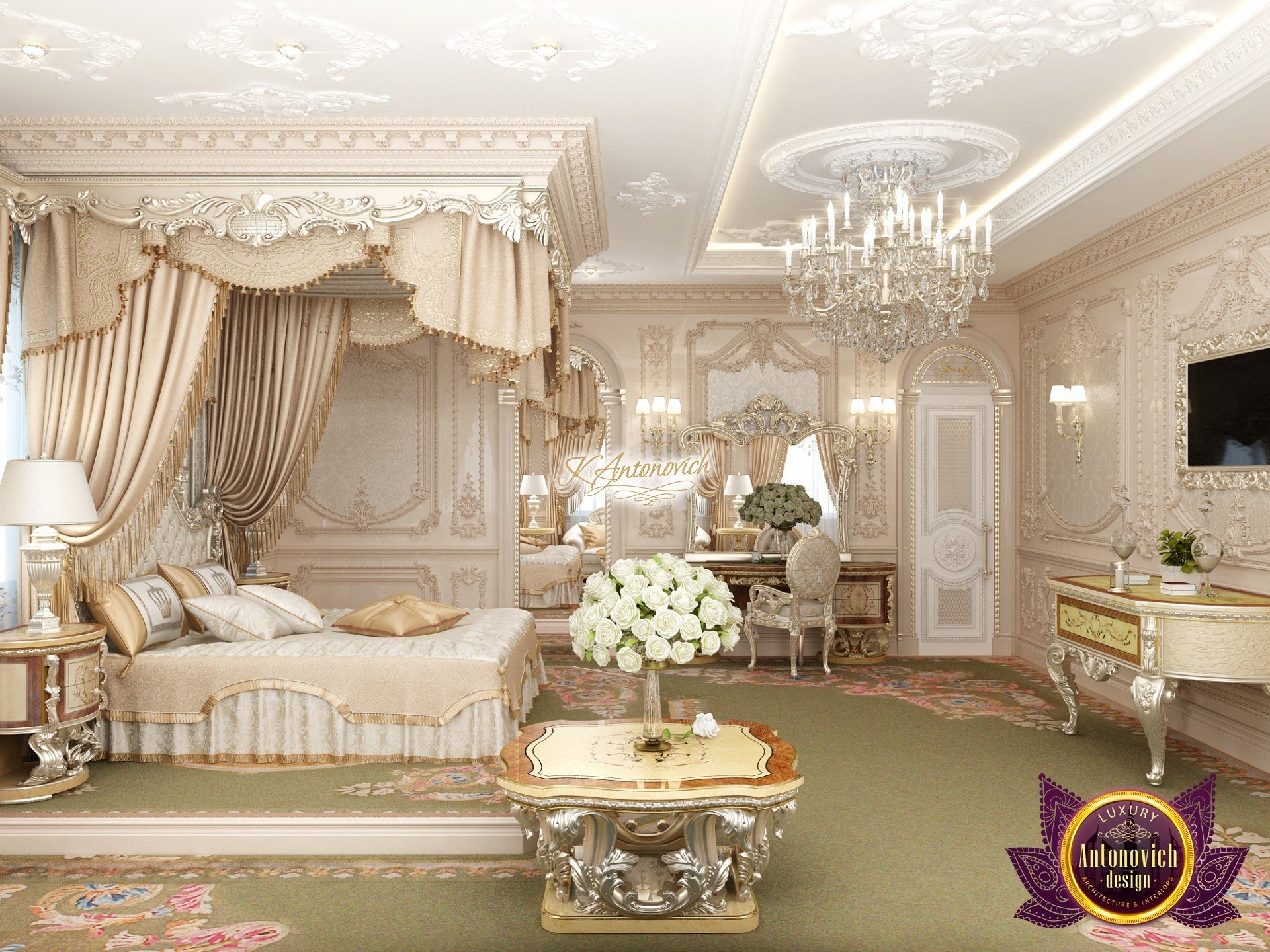

Residential spaces reflect personal lifestyle and comfort. A professional interior designer studies how families move through space, how light enters rooms, and how furniture placement improves daily living.
Key elements in residential design include
Space planning
Proper layout design prevents congestion and improves movement flow. Every square foot must serve a purpose.
Color psychology
Soft neutral tones create calm environments while bold accent walls add personality. Designers select palettes based on room function and client preference.
Material selection
Wood finishes, marble textures, wall paneling, and fabric choices determine durability and visual impact. Quality materials increase long term value.
Lighting design
Layered lighting combining ambient, task, and accent lighting enhances depth and warmth inside homes.
In modern houses and apartments, customization is essential. Built in storage, modular furniture, and smart design solutions create practical yet stylish living environments.
Office Interior Design That Improves Productivity
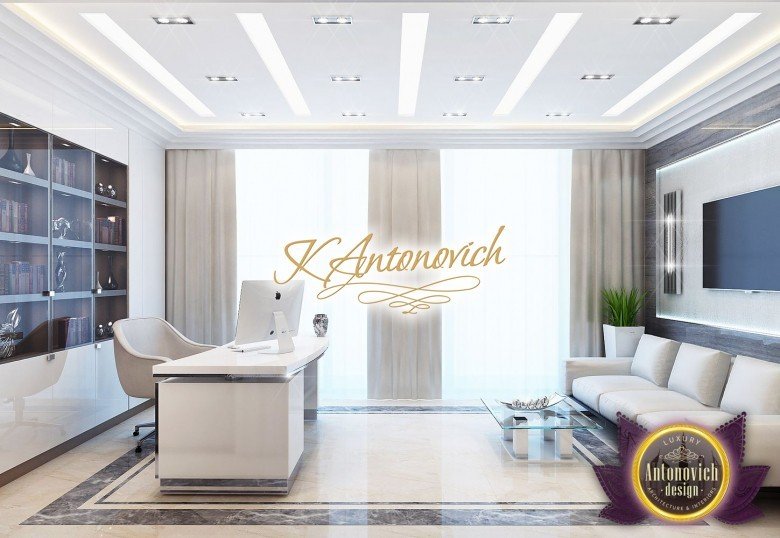
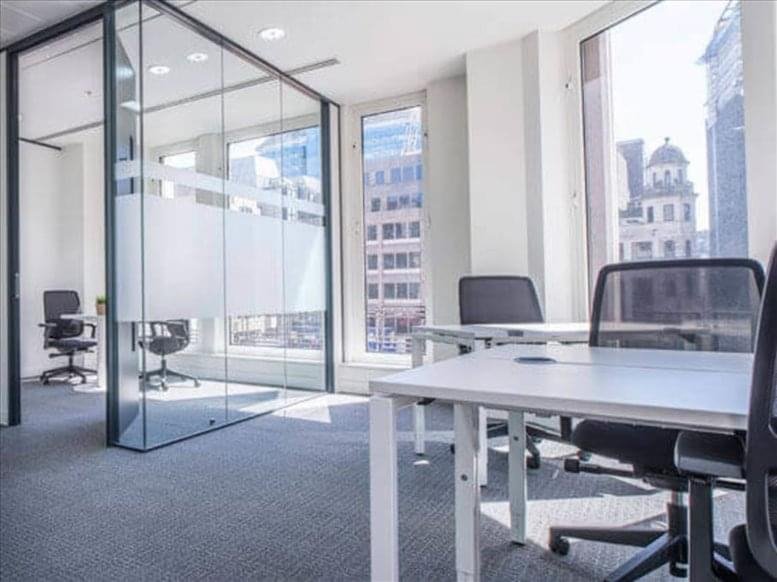
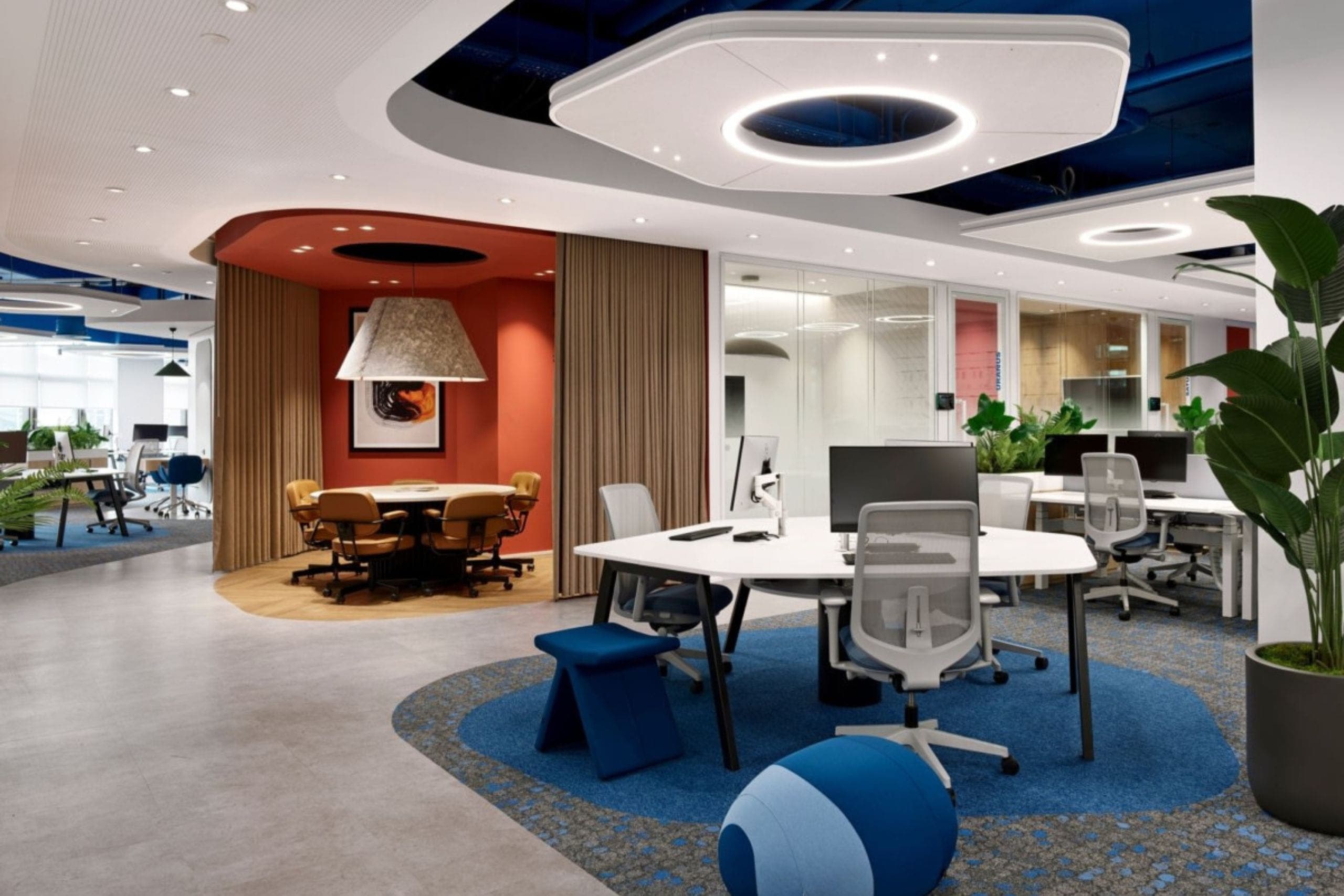
Office interiors require a strategic approach. A well designed workspace influences employee performance, brand image, and client perception.
Professional office design focuses on
Efficient space zoning
Workstations, meeting areas, reception desks, and breakout spaces must be arranged logically to support workflow.
Ergonomic furniture
Comfortable chairs, adjustable desks, and smart layout planning reduce fatigue and improve productivity.
Brand integration
Company colors, logo placement, and design elements should reflect corporate identity without overwhelming the environment.
Acoustic planning
Sound absorbing panels, carpets, and partitions control noise in open offices.
Experienced designers understand that office interiors must balance aesthetics with functionality. The goal is to create spaces where teams feel motivated and organized.
Luxury Interior Styling and High End Spaces
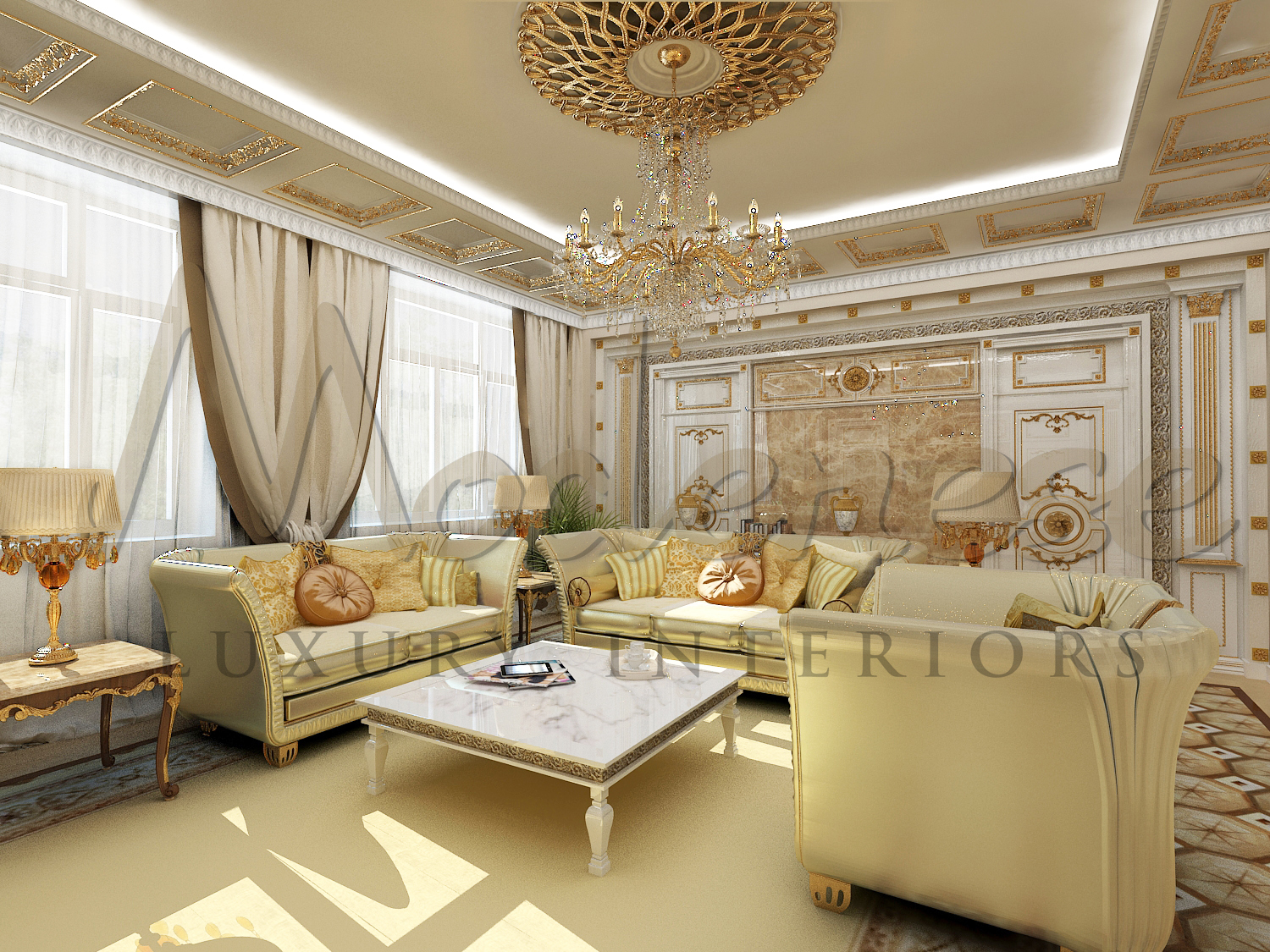


Luxury interiors are defined by refined details and premium craftsmanship. It is not about excessive decoration but about thoughtful design decisions.
Important luxury design principles include
Premium finishes
Natural stone, imported tiles, designer lighting fixtures, and custom cabinetry elevate the visual impact.
Balanced minimalism
Luxury spaces often use clean lines with carefully chosen statement pieces instead of overcrowding rooms.
Custom furniture
Bespoke sofas, dining tables, and built in units ensure unique identity and perfect size fit.
Art and decor integration
Artwork, sculptures, and curated accessories add personality while maintaining elegance.
Creating luxury interiors requires strong coordination between architects, contractors, and suppliers. Proper execution ensures design concepts become reality without compromise.
Kitchen Design Functionality and Style Combined

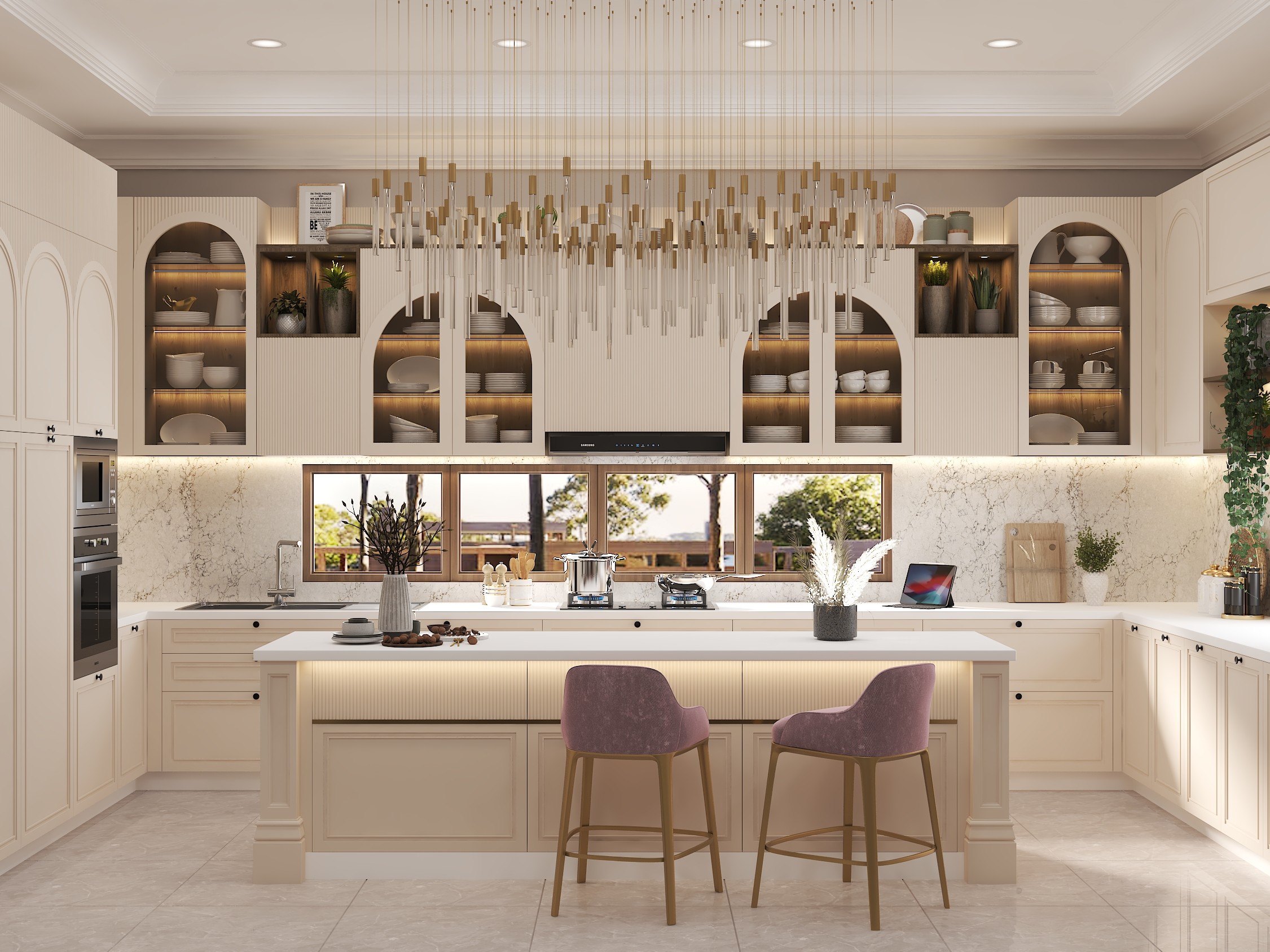

Kitchen spaces are among the most important areas in a home. Practical layout planning directly affects usability and storage efficiency.
Professional kitchen design focuses on
Work triangle concept
The relationship between sink, stove, and refrigerator must allow smooth movement.
Smart storage
Pull out drawers, corner solutions, and vertical cabinets maximize available space.
Durable materials
Heat resistant countertops, moisture resistant cabinets, and easy to clean surfaces ensure longevity.
Lighting for precision
Task lighting above counters improves cooking accuracy and safety.
Modern kitchens combine aesthetics with technology. Modular systems and integrated appliances create clean and organized environments.
Bathroom Remodeling and Spa Inspired Interiors
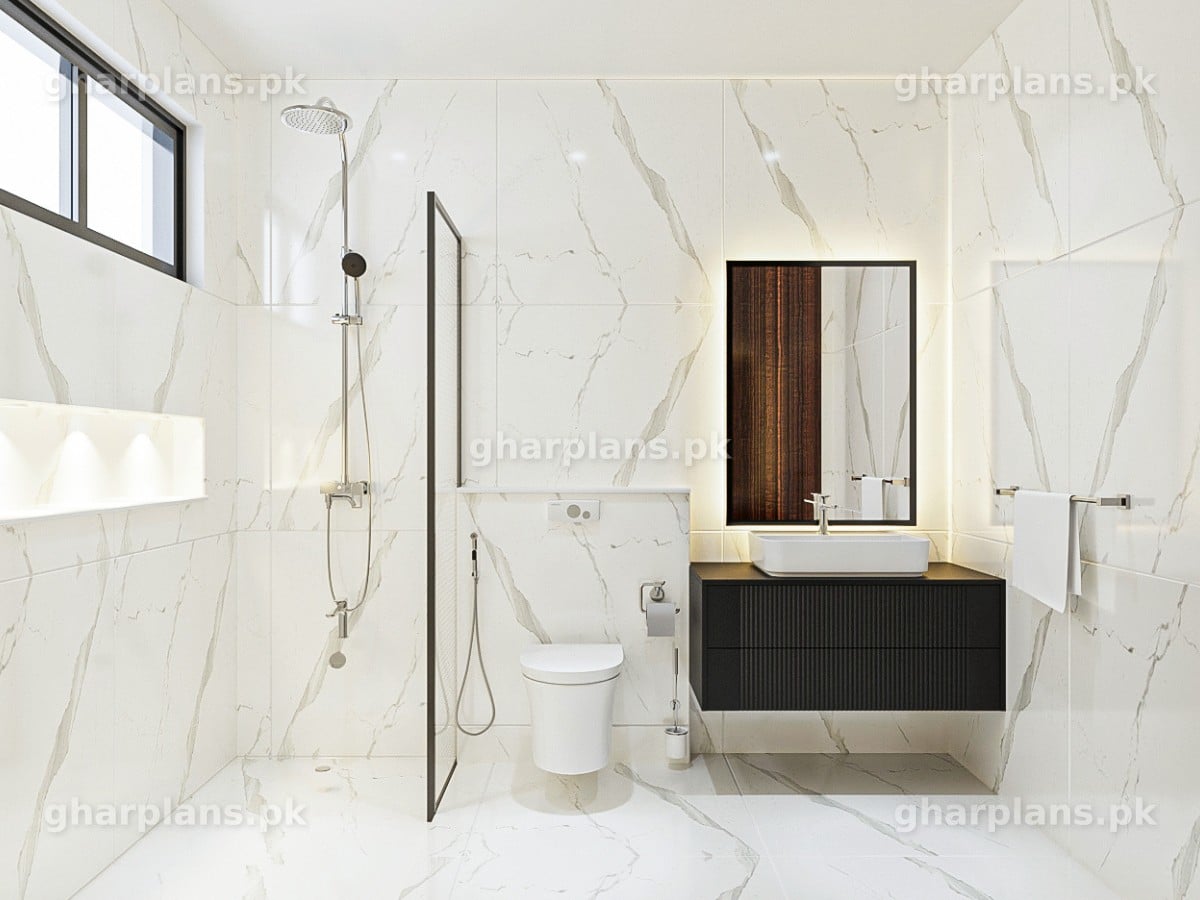


Bathrooms are no longer purely functional. They are personal relaxation zones.
Key design considerations include
Water resistant materials
Tiles, waterproof panels, and sealed surfaces prevent long term damage.
Efficient layout
Even small bathrooms benefit from optimized fixture placement and storage planning.
Lighting and mirrors
Soft lighting combined with large mirrors makes the space feel bigger and more elegant.
Luxury touch
Freestanding bathtubs, rain showers, and stone textures create spa inspired environments.
Careful planning during bathroom remodeling avoids costly mistakes and ensures smooth installation.
3D Visualization and Design Planning
Before construction begins, visualization plays a critical role. 3D modeling allows clients to see realistic representations of their future spaces.
Benefits include
Accurate space preview
Clients understand scale, proportion, and layout before execution.
Material confirmation
Textures, colors, and finishes can be adjusted digitally before final approval.
Reduced design errors
Visual simulations help identify potential issues early.
Modern interior firms use advanced software to present professional renderings that guide construction teams effectively.
Project Management and Execution Control
Design quality depends heavily on project supervision. Proper management ensures timelines and budgets remain under control.
Important responsibilities include
Site supervision
Regular site visits monitor construction quality and installation accuracy.
Vendor coordination
Managing suppliers, carpenters, electricians, and contractors prevents delays.
Budget tracking
Transparent cost planning avoids unexpected expenses.
Timeline monitoring
Structured scheduling keeps projects aligned with agreed deadlines.
Strong execution skills separate average designers from professional firms that consistently deliver results.
Custom Interior Solutions for Unique Needs
Every client has different requirements. Custom solutions provide flexibility in design approach.
Examples include
Tailor made furniture
Custom wardrobes, TV units, and modular storage designed according to room dimensions.
Personal style integration
Design concepts adjusted to reflect client personality and lifestyle.
Commercial customization
Retail stores, restaurants, and offices receive brand specific interior concepts.
Experienced designers analyze space carefully before proposing customized improvements that enhance both function and beauty.
Why Professional Interior Design Matters
Investing in expert interior design increases property value and improves daily comfort.
Professional advantages include
Better space utilization
Improved functionality through strategic planning.
Higher resale value
Well designed properties attract stronger market interest.
Long term durability
Quality materials and correct installation reduce maintenance issues.
Time efficiency
Experienced teams manage complex coordination smoothly.
Design expertise transforms ordinary spaces into inspiring environments.
Frequently Asked Questions
What services does an interior design company offer
Professional companies provide residential design, office interiors, kitchen and bathroom planning, 3D visualization, and project management.
How long does an interior design project take
Project duration depends on size and complexity. Small renovations may take weeks while full property design can require several months.
Is custom furniture more expensive
Custom pieces may cost more than ready made options but they offer better fit, durability, and design harmony.
Why is 3D visualization important
It helps clients visualize final results before construction starts and reduces design misunderstandings.
How do I choose the best interior designer
Review portfolios, evaluate experience, check project execution quality, and ensure clear communication before making a decision.
Comments