Application Process for Kenya eTA for Bahrain Citizens
Are you planning a journey from the shores of the Arabian Gulf to the vast savannahs of East Africa? Whether you are tracking the Big Five in the Maasai Mara or heading to Nairobi for business, there is one essential document you cannot leave home without—the Kenya Electronic Travel Authorization (eTA). For Bahraini travelers, the Kenya eTA for Bahrain Citizens offers a faster, fully online way to gain entry. This guide covers everything you need to know about the application process, expected costs, and useful travel tips to ensure your Kenyan adventure is smooth and stress-free.
What is the Kenya Tourist eTA for Bahraini Travelers?
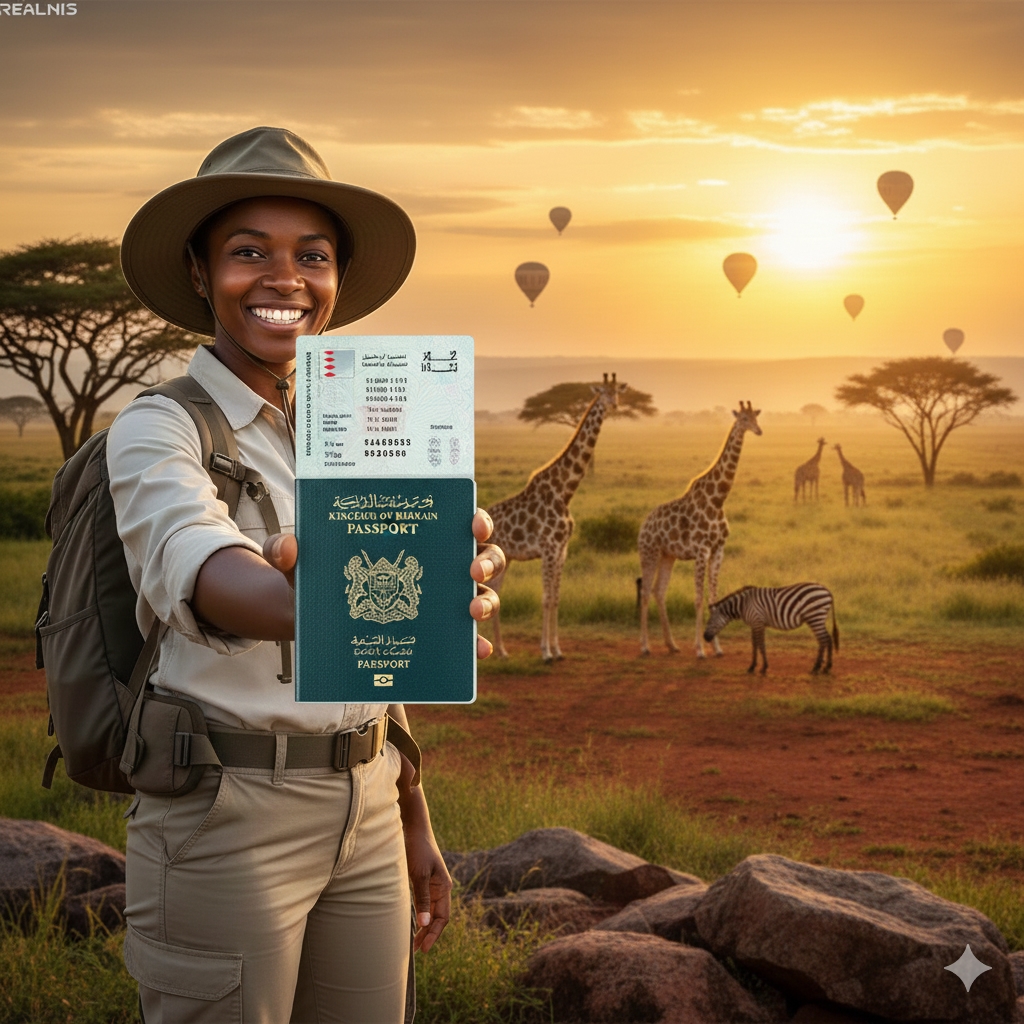
Kenya eTA is an official digital authorization that is necessary to all foreigners (with the exception of the East African Community citizens) visiting the Republic of Kenya. The eTA is connected to your passport as compared to the old visa, which was usually heavy with papers.
Key Highlights for Bahrainis:
Mandatory Entry: Every traveler, including infants and children, must have an individual eTA.
Single Entry: The standard eTA is valid for one entry into Kenya.
Duration: It typically allows for a stay of up to 90 days.
What information is needed for eTA?
The secret of the 0% rejection rate is preparation. Make sure you have the following documents in clear and digital scans before you open the application portal:
Valid Passport: Your Bahraini passport must be valid for at least six months from your intended arrival date and have at least one blank page.
Recent Photograph: A high-quality, passport-style color photo (or a clear selfie) taken against a white background.
Travel Itinerary: A copy of your flight bookings showing your entry and exit dates.
Accommodation Details: Confirmed hotel bookings or an invitation letter if you are staying with friends/family.
How long does Kenya eTA approval take?
Bahrain citizens can use three major processing windows depending on the rate at which they need their authorization:
Normal Processing (3-5 Days): The most cost-effective option for travelers who plan ahead.
Rush Processing (2-3 Days): Ideal for those who need their travel documents within the week.
Super Rush Processing (1-2 Days): A premium service for last-minute travel emergencies.
Tip: We recommend applying at least 2 weeks before your flight to account for any public holidays or document clarifications.
How to pay for Kenya eTA?
The total cost of your eTA is composed of two parts, together forming the overall Kenya eTA fee .
Kenya eTA Government Fee: This is the mandatory fee paid to the Kenyan Department of Immigration.
Kenya eTA Service Fee: This covers the digital processing, document verification, and 24/7 support provided by the application platform.
The exact amount can vary based on the exchange rate and the processing speed you select (Normal vs. Super Rush).
How to apply for eTA online?
The application is 100% online. Follow these steps:
Fill the Form: Enter your personal details, passport info, and travel dates.
Upload Documents: Attach your photo, passport scan, and hotel confirmation.
Pay the Fee: Use a valid credit or debit card (Visa or Mastercard).
Receive Approval: Once approved, your eTA will be sent via email. Print a copy to present at the airport.
What is the purpose of an ETA?
When applying, you must select the category that fits your trip:
Kenya Tourist eTA: For holidays, sightseeing, and visiting family.
Kenya Business eTA: For attending conferences, meetings, or exploring trade opportunities.
Kenya Transit eTA: For travelers passing through Kenya to another destination (if leaving the airport).
Is the Kenya Health Declaration Form Still Required?
Travelers rejoice, Kenya has scrapped the Kenya Health Declaration Form. COVID-19 limitations have been removed and you do not have to send your vaccination certificates and PCR results to the eTA portal to enter. But, however, Yellow Fever requirements must be checked in case you are traveling out of an endemic region.
How fast is eTA approved?
To avoid delays or "Pending" statuses, keep these expert tips in mind:
Apply Early: Don’t wait until the last week of travel.
Stable Internet Connection: A drop in connection during payment can cause "double-charging" or form errors.
Correct Format: Ensure your files are in JPG or PDF format as specified.
Check Your Spam: Approval emails often end up in the "Promotions" or "Spam" folders.
Passport Match: Your name on the eTA must match your passport exactly.
When is the Best Time to Visit Kenya?
For Bahraini travelers used to high heat, Kenya offers a refreshing change.
Dry Season (June to October): Best for wildlife viewing and the Great Migration.
Birding Season (November to April): Lush green landscapes and migratory birds.
Beach Season: The coast (Mombasa/Diani) is beautiful year-round but best from October to March.
What is the most visited destination in Kenya?
Kenya is generally considered to be the most preferred destination among the sun seekers as well as the wildlife lovers. In addition to its status as one of the Big Five, the country provides a combination of prehistoric sceneries, crystal-clear beaches, and exclusive urban animal reserves. The following is a further examination of the places you must visit in your itinerary:
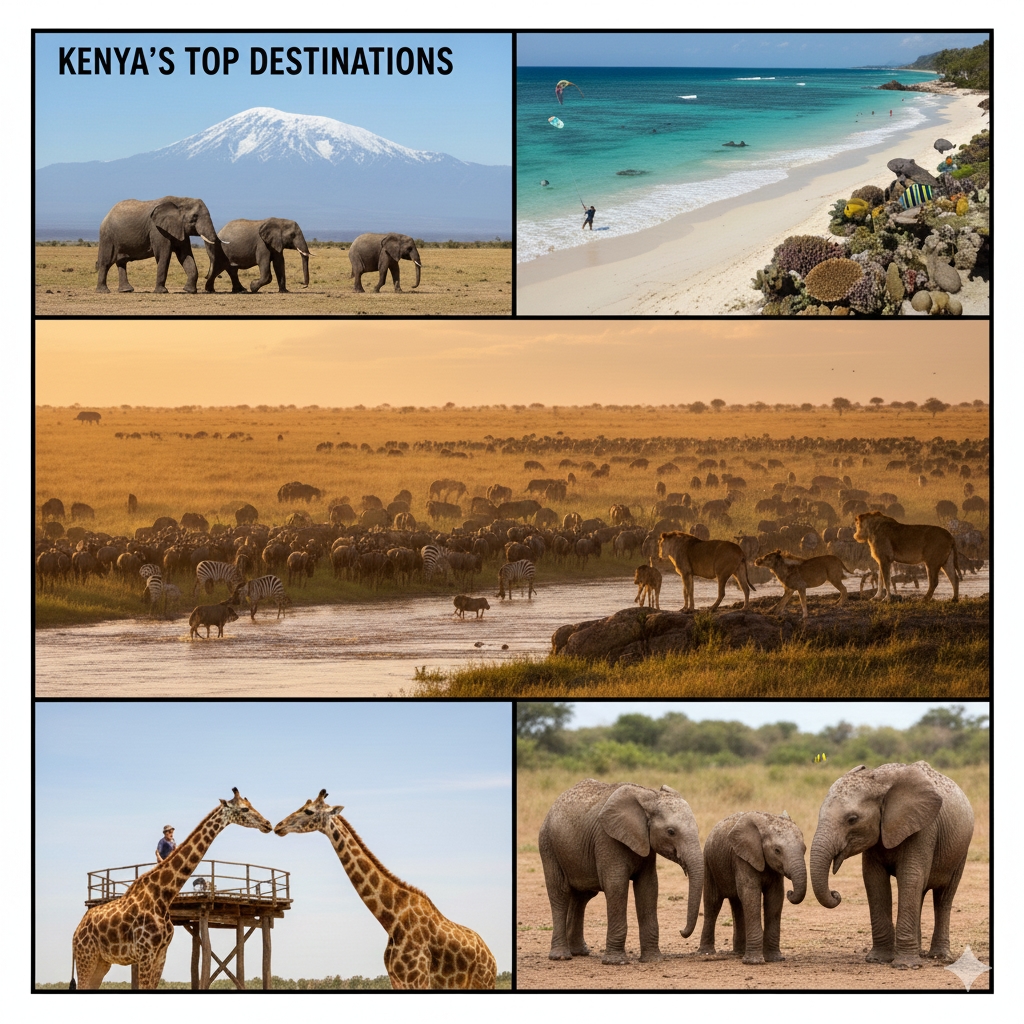
Maasai mara national reserve: This is the jewel of African safari. When you come in the period between July and October, you can observe the Great Wildebeest Migration in which more than 1.5 million animals move across the plains. It is the most suitable destination in the world where one can observe predators such as lions, cheetahs and leopards in their natural environment.
Amboseli National Park: This park is found along the border with Tanzania and is known to have huge herds of free-roaming elephants. What is most recognizable about it, however, is the panoramic view of Mount Kilimanjaro. The elephants here are so great that the photographers rush to shoot them with the snow-capped summit of the highest mountain in Africa in the background.
Diani Beach: The dust of a safari is settled, then get to the shore and relax. The clean white sand and the Indian Ocean waters which are pure turquoise have continuously made Diani Beach voted among the best beaches in Africa. It is a kite surf, sky diving and snorkeling center under vibrant coral reefs with sea turtles and dolphins.
Nairobi City Sanctuaries: When staying in the capital, there is no need of traveling long distances in order to see wildlife. The Giraffe Centre will enable you to feed the endangered Rothschild giraffes by hand using a high platform. You can also visit the David Sheldrick Elephant Orphanage nearby where you can observe the rescued baby elephants being bottle-fed and playing in the mud as part of the free daily visiting hour (11:00 AM -12:00 PM).
What transportation is used in Kenya?
Getting around is easier than you think:
Rideshare Apps: Uber and Bolt are widely available in Nairobi and Mombasa. They are safer and offer fixed pricing.
The SGR Train: A modern train connecting Nairobi and Mombasa—highly recommended for scenic views.
Matatus: Local minibuses for the adventurous, though they can be crowded.
Should You Use Cards or Cash as a Tourist?
While major hotels and malls in Nairobi accept international credit cards, Kenya is a mobile-money economy.
M-Pesa: Almost everyone uses this mobile wallet.
Cash: Carry Kenyan Shillings (KES) for small markets, tips, and rural areas.
ATMs: Widely available in major cities, but inform your Bahraini bank before traveling to avoid blocked cards.
What to bring when travelling to Kenya?
When packing to go to Kenya, one should strike a balance between dusty safari drive, changing temperatures, and tropical beaches preparation. To keep you comfortable and avoid breaking local laws, the following is the breakdown of what you need to carry:
Layered Clothing: Pack lightweight, breathable fabrics (cotton/linen) in neutral earth tones (khaki, beige, olive) for safaris to avoid attracting insects. Include a warm fleece or jacket for chilly early morning game drives.
Footwear: Sturdy, closed-toe walking shoes or trainers are essential for the bush. Bring light sandals or flip-flops for relaxing at your hotel or visiting the coast.
Sun & Insect Protection: High-SPF sunscreen, polarized sunglasses, and a wide-brimmed hat are vital for the equatorial sun. Carry a DEET-based insect repellent to protect against mosquitoes.
Tech & Gear: Kenya uses Type G plugs (same as Bahrain). Bring a high-capacity power bank, binoculars for wildlife viewing, and a dust-proof bag for your camera equipment.
Health Essentials: A basic first-aid kit with rehydration salts, anti-diarrhea tablets, and any personal prescriptions.
Eco-Friendly Habits: Avoid bringing plastic bags (including zip-locks), as single-use plastics are strictly banned in Kenya. Use a reusable water bottle to stay hydrated.
Do Minors Need a Kenya eTA?
Yes, every child needs an eTA. Parents or legal guardians can manage the application on behalf of the minor. You will need the child's birth certificate and passport to complete the process.
Which is the best airport in Kenya?
Most international travelers from Bahrain will arrive at:
Jomo Kenyatta International Airport (NBO) – Nairobi: The main gateway.
Moi International Airport (MBA) – Mombasa: Best for direct beach holidays.
Conclusion:
The shift to Kenya eTA has enabled Bahraini visitors to visit the Kenya eTA more than ever before. One of the ways to guarantee an unstressful entry is by preparing your documents, namely, your valid passport, itinerary, and accommodation information, and making the application at least a week beforehand. Kenya is open-armed and spectacular scenery awaits you.
You need to more information related to Kenya ETA:
Comments